

DIY Guide to Weather-Proofing Your Garage Door
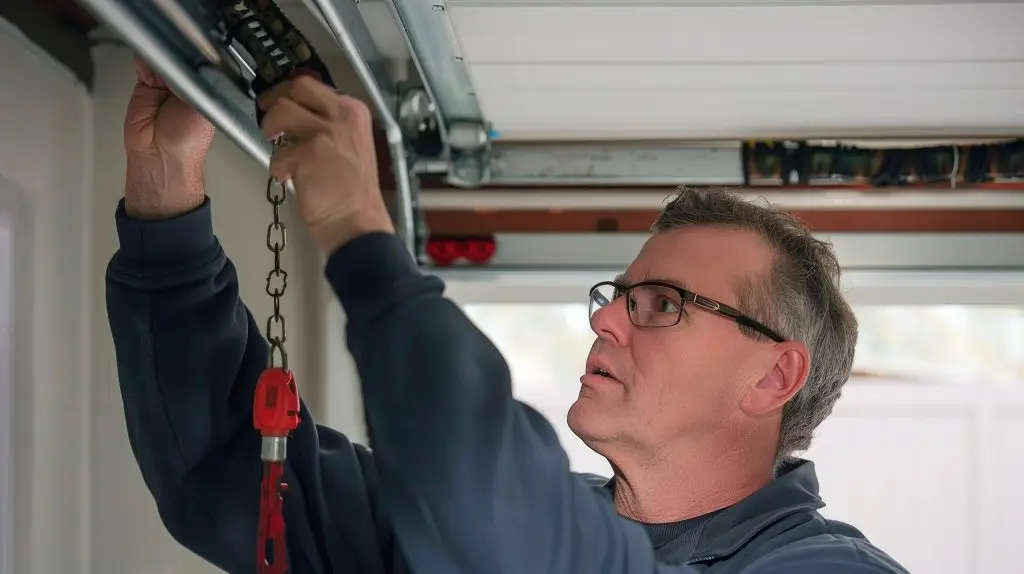
As winter approaches, ensuring that your garage door is properly weather-proofed is essential for maintaining energy efficiency, protecting your belongings, and keeping your garage in top condition. Cold weather, snow, and wind can significantly affect the performance of your garage door weather-proofing if it’s not well-prepared. This week, American Garage Doors provides a step-by-step DIY guide to weather-proofing your garage door, ensuring it can withstand the harsh winter months.
Why Weather-Proofing Your Garage Door Is Important
- Energy Efficiency: Prevents drafts and maintains a stable temperature, reducing heating costs.
- Protection: Shields your garage from moisture that can lead to rust and damage.
- Durability: Extends the lifespan of your garage door by safeguarding it from the elements.
Steps to Weather-Proof Your Garage Door
1. Inspect and Seal Gaps
- Identify Gaps: Check for visible gaps along the sides, bottom, and top of your garage door. Even small openings can allow cold air and moisture to enter.
- Use Weatherstripping: Install or replace worn out weatherstripping around the door edges. Choose rubber or vinyl stripping for durability and flexibility in cold temperatures.
2. Upgrade the Bottom Seal
- Inspect the Bottom Seal: Check the rubber seal at the bottom of your garage door. If it’s cracked or brittle, replace it with a new, energy-efficient version.
- Threshold Seal: Consider adding a threshold seal to create an additional barrier against water and drafts.
3. Add Insulation
- Insulate the Door Panels: Use a garage door insulation kit to insulate the panels. This is particularly beneficial for metal doors, which can conduct cold air.
- Choose the Right Material: Reflective foil insulation or foam boards are effective and easy to work with. Align the insulation with the R-value suitable for your climate.
4. Maintain the Mechanism
- Lubricate Moving Parts: Apply a silicone-based lubricant to hinges, rollers, and tracks to prevent friction and freezing.
- Check the Balance: Ensure the door is properly balanced to avoid strain on the opener. Disengage the opener and check that the door stays halfway open on its own.
5. Optimize Your Garage Opener
- Battery Backup: Ensure your garage door opener has a functional battery backup in case of power outages during winter storms.
- Remote and Sensor Check: Check that all remote controls, keypads, and sensors are functioning correctly to ensure consistent operation.
Additional Tips for Winter Protection
- Floor Drainage: Ensure proper drainage in your garage floor to prevent standing water from melting snow and ice.
- Paint and Protect: If your door is wooden, consider applying a protective sealant or fresh paint to guard against moisture.
When to Call a Professional
While many weather-proofing steps are easy to DIY, some situations may require professional help:
- Complex Repairs: Structural damage or spring issues should be handled by a professional.
- Comprehensive Inspections: Consider scheduling a professional inspection for an assessment of your weather-proofing efforts and to identify potential concerns.
Conclusion
Properly weather-proofing your garage door not only safeguards your home during the harsh winter months but also enhances its efficiency and longevity. By following these straightforward steps, you can prevent energy loss, protect against weather damage, and ensure smooth door operation throughout the season.
For expert advice or assistance with weather-proofing products or installation, contact American Garage Doors. Our team is here to help keep your garage door functioning optimally, no matter what winter throws your way. Stay connected with our blog for more tips, guides, and innovations in garage door care and maintenance.
🚪 Call Us Today to Resolve Any Garage Door Issue!
Don’t let a faulty or unprotected garage door slow you down. Our expert technicians are ready to help.
📞 (888) 794-6420