
Garage Door Insulation: Keep Your Garage Cozy Year-Round

A well-insulated garage door can make a significant difference in your home’s energy efficiency, comfort, and utility bills. Whether you use your garage solely for parking, as a workshop, or additional living space, proper insulation maintains the temperatures and eases your heating and cooling appliances’ workload. This week, we delve into everything you need to know about garage door insulation, from benefits and types to DIY installation tips.
Why Insulate Your Garage Door?
There are several compelling reasons to invest in insulating your garage door:
- Energy Efficiency: Reduces heat loss in winter and keeps the space cooler in summer, leading to lower utility bills.
- Comfort: Insulated garages are more comfortable environments for work or hobbies.
- Protection of Belongings: Stable temperatures prevent damage to items sensitive to temperature fluctuations, such as paint or varnish.
- Noise Reduction: Insulation dampens noise from outside, providing a quieter indoor environment.
Types of Insulation for Garage Doors
Choosing the right type of insulation depends on your needs, budget, and climate.
1. Polystyrene Foam Panels
- Pros: Often pre-cut to fit standard garage door panels, easy to install, and provides good R-values.
- Cons: Less flexible, may not fill all gaps perfectly for custom-fit needs.
2. Polyurethane Foam
- Pros: Offers higher insulation value and strength due to its dense composition and is injected into the door’s frame for seamless coverage.
- Cons: Generally more expensive, best suited for professional installation.
3. Reflective Insulation/Reflective Foil
- Pros: Works by reflecting heat, making it particularly effective in hot climates.
- Cons: Less effective in extremely cold climates and not as robust against physical wear and tear.
4. Fiberglass Batts
- Pros: Affordable and effective, available in different thicknesses, and easy to handle for DIY projects.
- Cons: Can irritate skin and respiratory system if handled improperly, requires a vapor barrier for added protection.
Insulating Your Garage Door: DIY Tips
If you’re up for a do-it-yourself project, here’s how you can insulate your garage door:
Tools and Materials You’ll Need:
- Insulation material (panels, rolls, or foam)
- Utility knife or scissors
- Tape measure
- Safety goggles and gloves
- Adhesive or double-sided tape
- Sealant
Steps to Insulate:
- Measure Your Door: Accurately measure each panel of your garage door to determine the amount of insulation material needed.
- Cut the Insulation: Use a utility knife to cut your chosen insulation material to fit each panel.
- Install the Insulation:
- For foam panels, press them into the panel frames, adhering them with adhesive or double-sided tape.
- For foil or fiberglass, follow the manufacturer’s instructions to secure them onto the door.
- Seal the Edges: Use sealant to close any gaps and press the insulation snugly to avoid air leaks.
- Check Weather Stripping: Inspect and replace any worn or damaged weather stripping around the door’s frame to optimize the insulation’s effectiveness.
Professional Installation
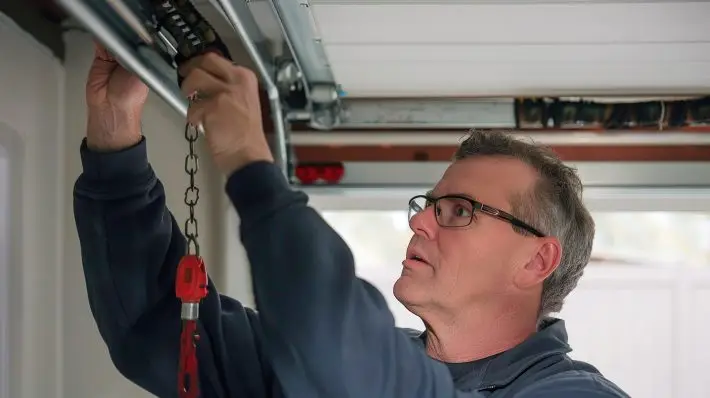
For those less inclined to DIY, hiring a professional can ensure a perfect fit and finish with high-quality materials. Professionals can also provide guidance on selecting the best insulation option for your specific needs and climate.
Final Thoughts
Proper garage door insulation is a valuable investment, enhancing energy efficiency, comfort, and functionality. Whether you decide to tackle the project yourself or hire a professional, the benefits of a well-insulated garage door are undeniable.
Need expert help with your garage door insulation or any other garage door issues? Don’t wait – call us today at (888) 794-6420 to resolve any garage door problem quickly and professionally. Our experienced team at American Garage Doors is ready to help you create the perfect garage environment for your home!
Stay tuned to our blog for more tips and tricks on maintaining and optimizing your garage space!