

Preventing Garage Door Noises: Maintenance Solutions
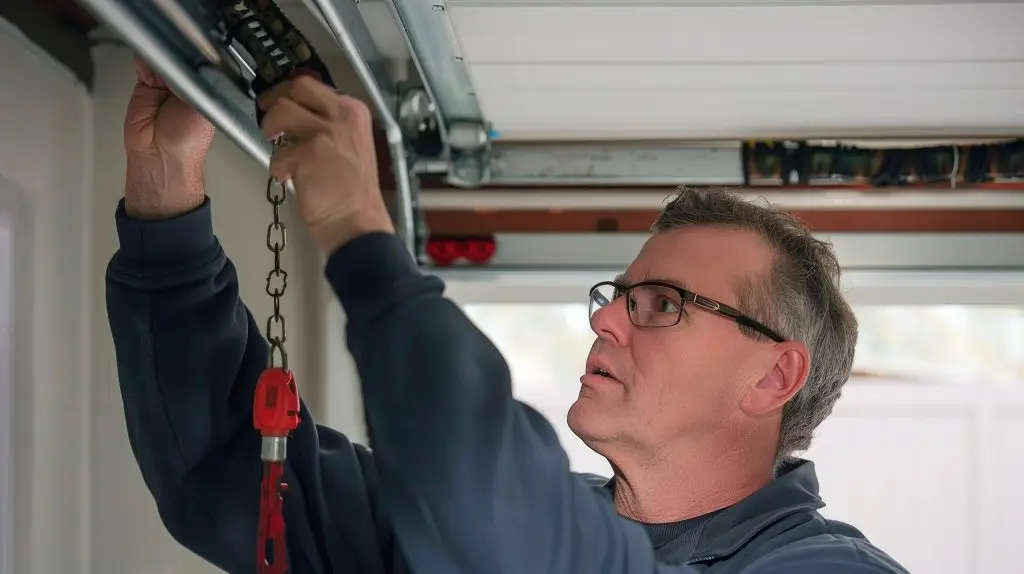
A noisy garage door can be more than just a nuisance—it can signal underlying issues that may affect the longevity and efficient operation of your garage door system. While some noise is inevitable, especially with certain types of openers, excessive racket is something that can often be addressed through regular maintenance and key adjustments. This week, American Garage Doors delves into common causes of garage door noise and provides actionable solutions to help you restore peace and quiet to your home.
Understanding Common Sources of Garage Door Noise
Garage door noise can originate from several parts of the system. Knowing these sources can help you pinpoint specific issues:
- Rollers: Old or worn-out rollers can cause grinding or squealing noises.
- Tracks: Tracks that are bent or out of alignment can create friction sounds.
- Hinges and Springs: A lack of lubrication on hinges or springs results in creaking or popping noises.
- Opener Type: Chain-drive openers are naturally louder compared to belt or direct-drive systems.
Steps to Reduce and Prevent Garage Door Noise
1. Regularly Lubricate Moving Parts
Lubrication: Use a high-quality, non-silicone-based lubricant to reduce friction on the rollers, hinges, springs, and tracks. Regular lubrication—at least twice a year—is essential to prevent noise and keep your garage door functioning smoothly.
2. Replace or Upgrade Rollers
Material Matters: Steel rollers can be loud due to metal-on-metal contact. Consider upgrading to nylon or ball-bearing rollers, which are quieter and require less maintenance.
Wear and Tear: Inspect your rollers for signs of wear or damage and replace if necessary, especially on older systems.
3. Tighten All Hardware
Secure Loose Parts: Vibrations from regular use can cause bolts, nuts, and screws to loosen, leading to rattling noises. Regularly check and tighten these components to minimize unnecessary noise.
4. Inspect and Align Tracks
Track Alignment: Bent or misaligned tracks can cause the door to scrape or grind while moving. Ensure tracks are aligned correctly by loosening mounting brackets, repositioning them, and then retightening the brackets.
Clean Tracks: Keep tracks clear of debris, dust, and cobwebs to facilitate smooth door movement.
5. Check and Maintain Springs and Hinges
Spring Maintenance: Torsion springs can be dangerous to handle and should be maintained or replaced by professionals. Ensure they are tensioned correctly to reduce noise.
Hinge Functionality: Inspect hinges for wear and replace as needed. Ensure they are lubricated properly to prevent squeaking.
6. Upgrade the Opener
Quiet Openers: If noise is a significant issue, consider upgrading to a belt-drive or direct-drive opener, known for quieter operation compared to chain-driven models.
Special Considerations and Professional Help
Insulation and Soundproofing
Insulated Doors: Upgrading to an insulated garage door can help reduce noise from both operation and external sources.
Soundproofing Options: Consider adding soundproofing strips or panels to further minimize operational noise.
When to Call a Professional
Complex Noise Issues: If noise persists despite your best efforts, it may be time to contact a professional. They can conduct a thorough inspection, identifying issues that might not be obvious and performing necessary repairs or replacements.
Conclusion
Reducing garage door noise not only restores tranquility to your home but also ensures that your door system is functioning optimally. Through regular maintenance, appropriate system upgrades, and professional insights, homeowners can tackle noise issues effectively.
At American Garage Doors, we are committed to assisting you in maintaining a quiet and efficient garage environment. For expert guidance, product recommendations, and professional services, feel free to reach out to our team.
Need help with your noisy garage door? Call us today at (888) 794-6420 to resolve any garage door issue and restore peace to your home!