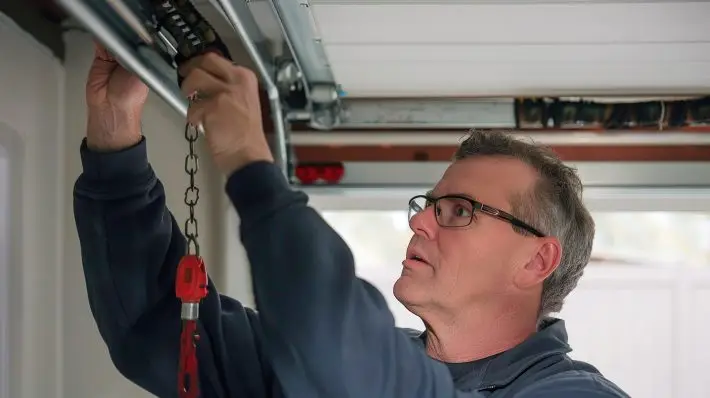

Winterize Your Garage Door: Essential Tips
As the seasons change and temperatures begin to drop, it’s time to prepare your garage door for winter. Cold weather can take a toll on your garage door’s performance, potentially leading to inconvenient malfunctions. This guide offers essential tips for winterizing your garage door, ensuring smooth operation and enhanced energy efficiency throughout the colder season.
Why Winter Maintenance is Crucial
Winter maintenance helps:
- Prevent Operational Issues: Cold weather can cause springs and other metal components to contract and stiffen, affecting door movement.
- Enhance Energy Efficiency: Proper insulation and weatherproofing keep cold air out and warm air in, reducing energy costs.
- Increase Longevity: Regular maintenance can extend the life of your garage door by preventing cold-weather damage.
Step-by-Step Winter Preparation
1. Inspect and Insulate
Insulation Check:
- Ensure your garage door has sufficient insulation, especially if your garage is attached to your home. Insulated doors help maintain a stable temperature.
Add Insulation:
- If necessary, add insulation materials like foam board or reflective barriers to your garage door panels. This reduces heat loss and prevents cold air infiltration.
2. Weatherstripping Replacement
Inspect Weatherstripping:
- Check the bottom seal and side stripping for cracks or wear. Compromised weatherstripping can lead to drafts and water intrusion.
Replace as Needed:
- Install new weatherstripping if existing materials are damaged. Opt for high-quality materials that withstand cold temperatures.
3. Lubricate Moving Parts
Why Lubrication is Important:
- In cold climates, metal parts can seize or become noisy. Lubrication reduces friction and wear.
Procedure:
- Use a silicone-based lubricant to coat springs, hinges, rollers, and tracks. Avoid using grease as it can harden in cold temperatures.
4. Check and Tighten Hardware
Inspect Bolts and Fasteners:
- Temperature fluctuations can cause bolts and nuts to loosen. Tighten all hardware to ensure components are secure and aligned.
5. Test the Auto-Reverse Feature
Safety Check:
- Ensure the garage door’s auto-reverse mechanism functions correctly to prevent accidents during closure.
Testing Method:
- Place a solid object, like a 2×4 board, in the door’s path. The door should reverse when it hits the object. If it doesn’t, adjust the auto-reverse settings or consult a professional.
6. Test the Door Balance
Manual Balance Test:
- Disconnect the opener and manually lift the door halfway. It should stay in place without drifting up or down. If not, the springs might need adjustment.
Professional Help:
- Adjusting torsion springs can be dangerous; hire a professional for this task if necessary.
Additional Winter Considerations
- Clear Ice and Snow: Regularly remove ice and snow buildup around the door to prevent blockage and damage.
- Door Opener Battery Check: If your garage door opener has a battery backup feature, ensure batteries are in good condition to avoid being stranded in case of a power outage.
- Keep Sensors Clean: Sensors can be blocked or misaligned due to snow and debris. Regularly clean and realign them to ensure proper functionality.
Conclusion
Proper winter preparation for your garage door can prevent unexpected breakdowns and ensure your home remains energy efficient throughout the colder months. By following these step-by-step instructions, you can maintain your garage’s smooth operation and extend the life of your door system.
For more detailed guidance or professional maintenance services, contact American Garage Doors. Our experts are ready to assist with all your garage door needs this winter. Keep following our blog for additional tips and updates to keep your home safe and functional!
🚗 Need professional garage door help this winter?
Don’t let the cold leave you stranded! Call us today and let our experts handle all your garage door needs.