

DIY Garage Door Insulation Tips to Improve Energy Efficiency
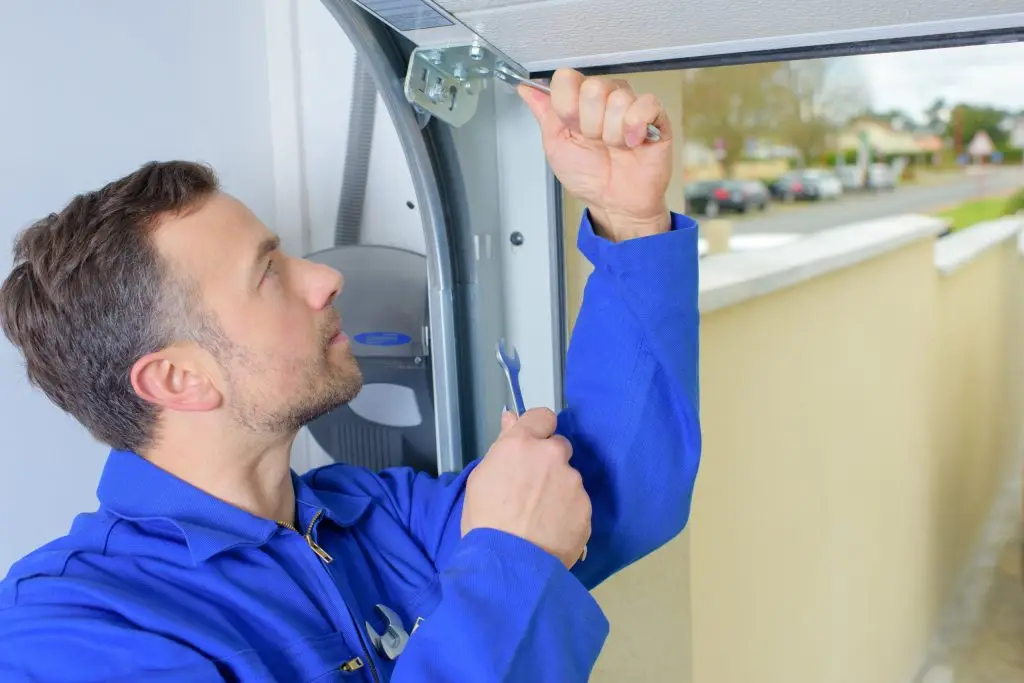
Quick Summary: Boost your home’s energy efficiency with these DIY garage door insulation tips. Learn how to install insulation and understand its benefits, ensuring your garage stays comfortable throughout the year.
A well-insulated garage door can significantly improve your home’s energy efficiency by regulating temperature and reducing heat loss. Whether you’re in it for savings or comfort, these DIY insulation tips will help you achieve a cozier garage environment while saving on energy costs.
Why Insulate Your Garage Door?
Insulating your garage door provides multiple benefits. It maintains a comfortable temperature, reduces noise, and adds a layer of protection against external elements. Even if your garage is detached, insulation can help protect your car, tools, and other items stored inside from extreme temperature shifts.
Choosing the Right Insulation Material
When considering garage door insulation, it’s essential to select the right material. Popular options include:
- Polystyrene Foam Panels: Known for their excellent thermal resistance, these panels are easy to work with and cost-effective.
- Reflective Foil Insulation: Ideal for garages that experience dramatic temperature shifts, reflective foil is lightweight and easy to install.
- Spray Foam Insulation: Though more challenging to apply yourself, spray foam offers superior insulation and fills in any gaps effectively.
Step-by-Step: DIY Insulation Installation
- Measure Your Door Panels: Start by accurately measuring the height and width of each door panel. This will ensure you purchase the right amount of insulation material.
- Cut and Fit Insulation: Using a utility knife, cut the insulation panels to fit snugly within the door’s framework. A tight fit helps maximize the insulating properties.
- Secure the Panels: Apply adhesive tape or foam adhesive to attach the panels to the garage door. Ensure each panel is securely in place to avoid sagging or detachment.
- Seal Gaps and Joints: Use weatherstrip tape to seal any gaps around the door edges. This step prevents air leaks and enhances insulation efficiency.
- Regular Maintenance: Check periodically for any wear and replace insulation as needed to maintain energy efficiency.
Additional Tips for Optimal Insulation
- Consider combining your insulation project with a spring replacement to address any additional garage door concerns.
- For garages used as workshops or living spaces, more comprehensive insulation methods could be explored.
- If time or expertise is limited, consider professional garage door panel replacement for a more robust solution.
Why Professional Insulation Might Be Beneficial
While DIY solutions can be effective, hiring professionals can ensure precise installation and enhanced performance. For homeowners operating commercial garage doors, professional installation can ensure building codes and energy standards are met.
Conclusion
Garage door insulation is a simple yet impactful way to enhance your home’s energy efficiency and comfort. With careful selection and proper installation, you can enjoy a more temperate and secure garage environment. For comprehensive solutions, consider consulting an expert for opener installation or emergency garage service.
Need help with your garage door? Call us today at (888) 794-6420 to resolve any garage door issue and ensure your home stays comfortable year-round!